


OpenEvidence is already open on half the machines in American medicine. That is the opportunity, and the risk.
This is how to use it without getting sloppy. The same preflight still applies before any tool touches a chart: https://www.practicalaiforphysicians.com/p/automate-the-work-keep-the-judgment
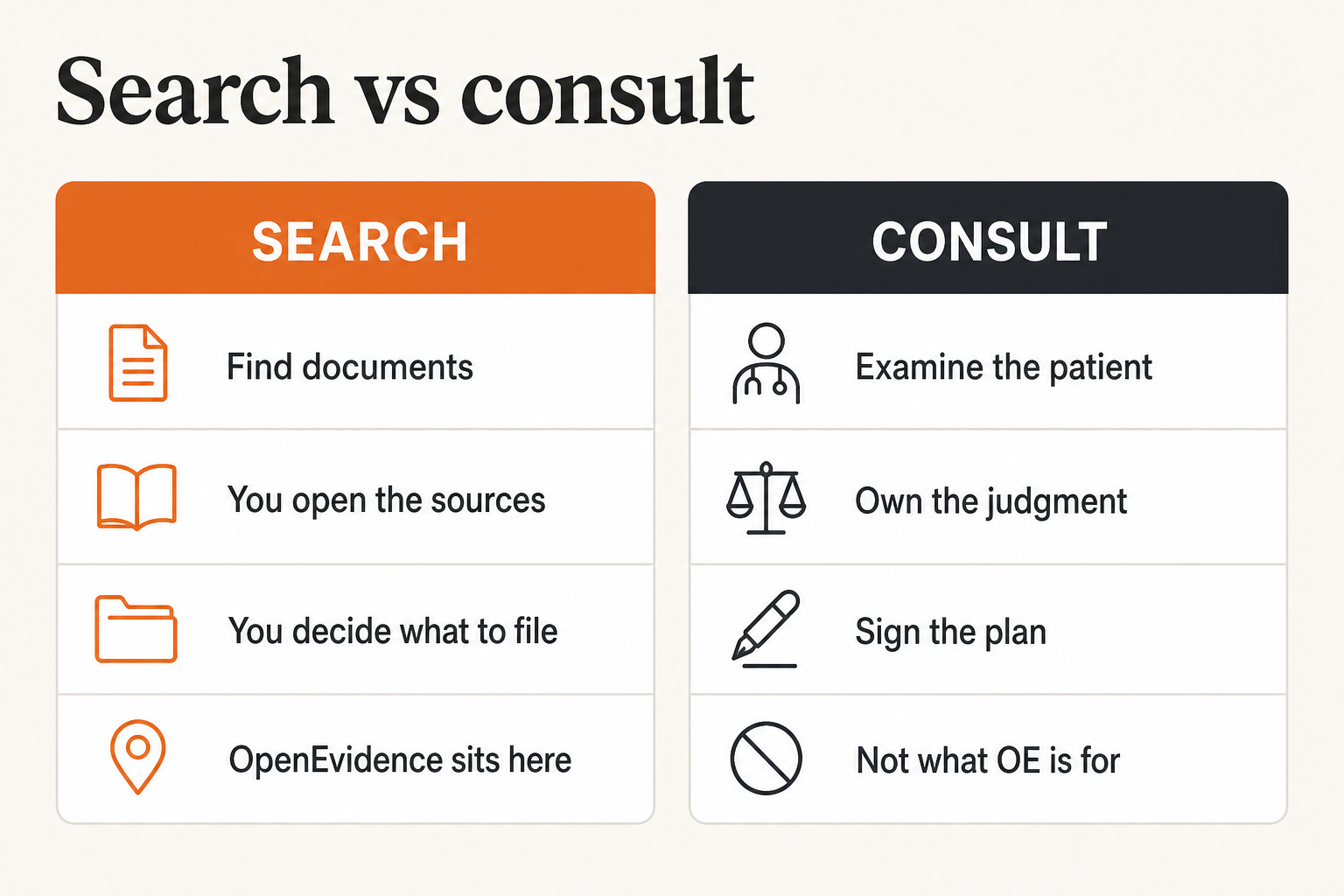
Ask a real question
Put the specialty, the setting, and what you want back. “Prostate cancer, community clinic, what does the guideline actually say about the next scan interval” will beat “what do I do next.”
You get a better answer when you ask the question you would ask a colleague in the hallway. But it is not your colleague. So, give it context!
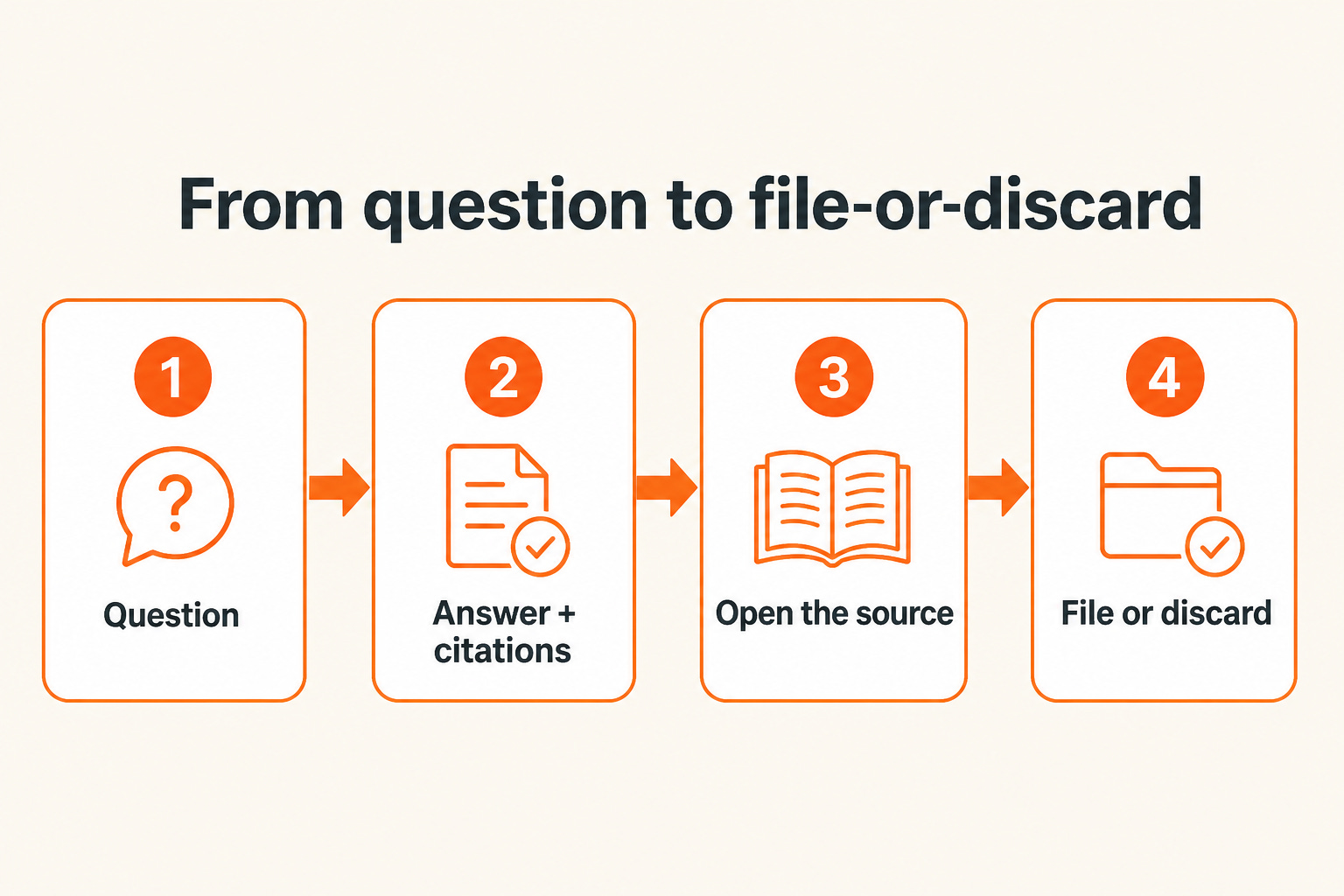
Keep an eye on the citations
Every answer is supposed to sit on peer-reviewed sources. Check them.
The product is the source list, not the summary. Treat the citations as the work product and the prose as a draft index.
Do not paste the chart
As of April 2025 they will sign a BAA and they say you can put PHI in. That does not mean you should dump in all the patient’s information. You almost never need a name, an MRN, or a date of birth to get a useful answer.
Ask the clinical question. Leave the identifiers out. If you do put PHI in, you are on their BAA, and that is a contract you should have actually read. Not all BAAs are the same. A signed BAA also does not mean you and the patient are fully protected.
Watch the Share button
Threads are private by default. Share can email a conversation or make a public link. Never make a public link if any patient detail is in that thread.
CME is extra, not the point
If you are NPI verified, you can turn a question you already asked into free CME or CE, but only after you finish the reflection. The search alone is not the credit. Do not let the credit change what you ask.
If it saves you a hunt through PubMed and you still check the source, keep it. If you are copying the answer into the note unread, turn it off.
You are the provider.